Get Disability Shower Installation in Hudson County, NJ
Disability shower installation services help property owners in Hudson County, NJ, and nearby areas by upgrading showers for accessibility, safety, and compliance with mobility needs.
Disability shower installation services are essential for property owners seeking to improve bathroom accessibility and functionality in Hudson County, NJ. These installations prioritize comfort and safety, making daily routines easier for individuals with mobility challenges or disabilities. By choosing professional services, property owners can ensure that showers are tailored to specific needs, providing a secure and convenient environment that supports independence and enhances overall usability.
Beyond comfort and safety, disability shower installations offer benefits such as increased durability and reduced maintenance over time. High-quality fixtures and thoughtful design contribute to long-lasting performance, minimizing the need for frequent repairs. Additionally, these upgrades can boost the curb appeal of a property, creating a modern and inclusive appearance that appeals to residents and visitors alike. Contacting experienced local service providers can help property owners achieve a shower setup that combines practicality with aesthetic appeal.
- Disability Shower Installation services are needed when constructing accessible bathrooms for individuals with mobility challenges.
- Disability Shower Installation is essential during bathroom remodels to ensure compliance with accessibility needs.
- Disability Shower Installation may be required when upgrading existing showers to accommodate wheelchair users or those with limited mobility.
- Disability Shower Installation services are sought in new home builds in Hudson County, NJ, and nearby areas to meet universal design standards.
- Disability Shower Installation is necessary for facilities aiming to improve safety and independence for users with disabilities.
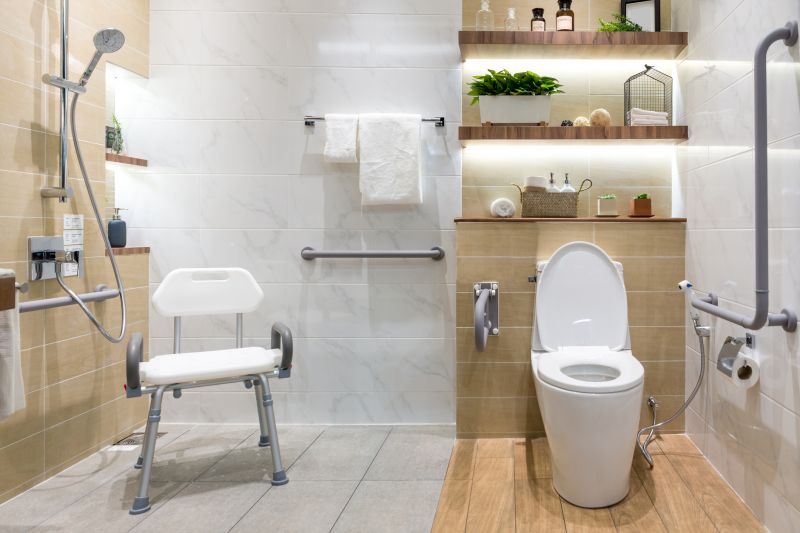
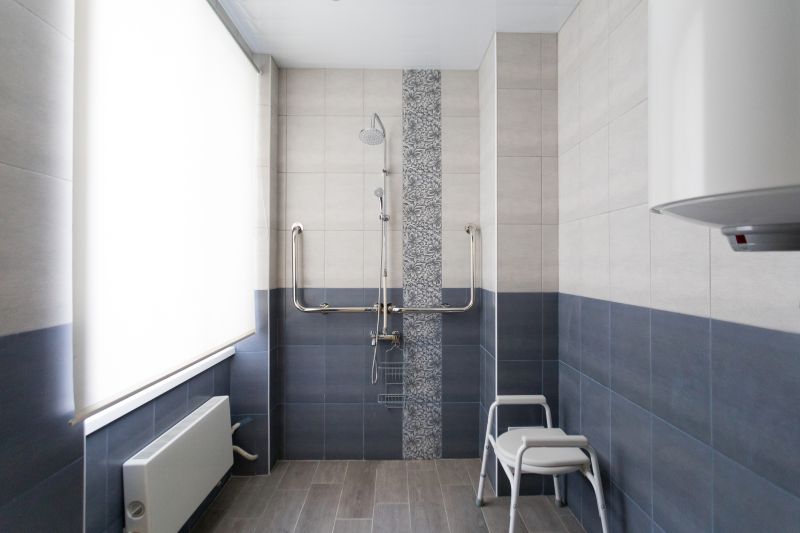
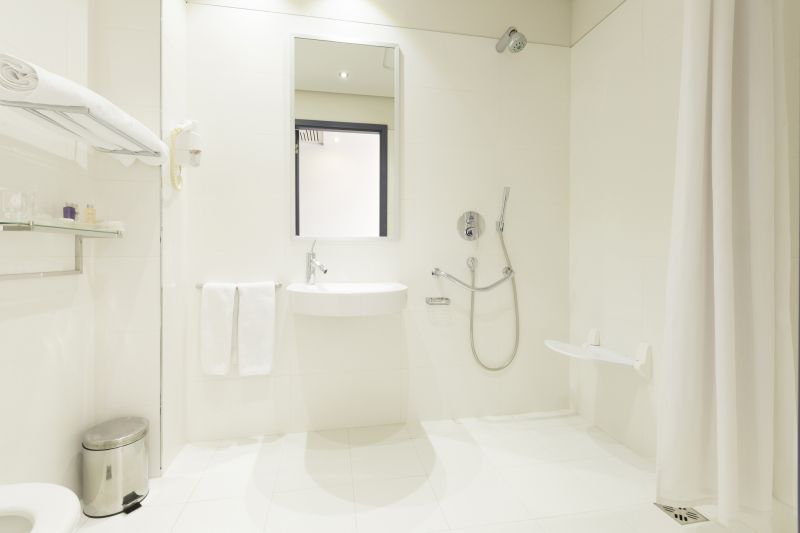
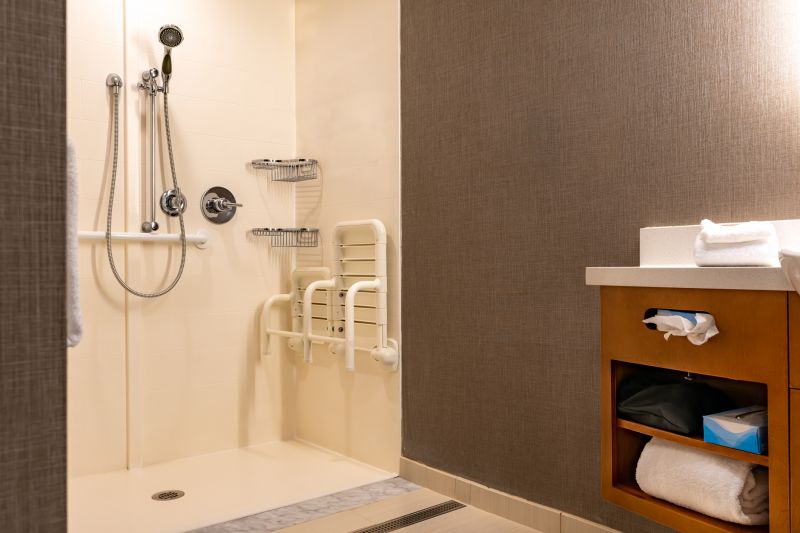
Disability shower installation services involve the modification or installation of showers designed to accommodate individuals with mobility challenges or disabilities. These installations typically include features such as walk-in or curbless showers, grab bars, non-slip flooring, and seating options to enhance safety and accessibility. The process often requires careful planning to ensure the shower meets specific needs while maintaining a functional and comfortable space within the existing bathroom layout. Service providers work with property owners to select appropriate features and execute installations that improve independence and ease of use.
This service addresses common problems faced by individuals with mobility limitations, such as difficulty stepping over high tub walls or navigating narrow shower spaces. It helps reduce the risk of slips and falls, which are a significant concern for seniors and those with physical disabilities. Additionally, disability shower installations can make daily routines more manageable, providing a safer environment that supports aging in place and reduces reliance on external assistance. Properly installed accessible showers can also enhance the overall safety and usability of a bathroom for everyone in the household.
Properties that typically utilize disability shower installation services include private residences, especially those designed or adapted for aging-in-place or disability access. Multi-family housing units, assisted living facilities, and healthcare settings may also seek these services to ensure their bathrooms meet accessibility standards. Commercial properties such as hotels, senior living communities, and public buildings may require professional modifications to comply with accessibility regulations and accommodate diverse user needs. These installations are tailored to fit the specific spatial and functional requirements of each property type.
Connecting with local service providers for disability shower installation can ensure the work is carried out by experienced professionals familiar with accessibility standards and customer needs. Property owners interested in enhancing bathroom safety and functionality can explore options that fit their space and budget. By working with qualified contractors, clients can access a range of customizable solutions designed to improve safety, independence, and convenience in bathrooms across various property types.
The overview below groups typical Disability Shower Installation projects into broad ranges so you can see how smaller, mid-sized, and larger jobs often compare in Hudson County, NJ.
In many markets, a large share of routine jobs stays in the lower and middle ranges, while only a smaller percentage of projects moves into the highest bands when the work is more complex or site conditions are harder than average.
Installation Costs - The typical cost for installing a disability shower ranges from $1,500 to $5,000, depending on the complexity and materials used. Basic setups may be closer to the lower end, while custom features can increase the price. Local service providers can provide detailed estimates based on specific needs.
Material Expenses - Material costs for disability showers can vary from $300 to $2,000. Standard options like acrylic or fiberglass are generally more affordable, whereas high-end tiles or specialized fixtures tend to be more expensive. Prices depend on the quality and design preferences.
Labor Charges - Labor fees for installing a disability shower typically range between $500 and $2,500. Factors influencing costs include the existing plumbing setup and the complexity of modifications required. Local contractors can assess the scope to give precise quotes.
Additional Features - Incorporating optional features such as grab bars, low thresholds, or seating can add $200 to $1,000 to the overall cost. The final price depends on the number and type of accessories chosen and the installation requirements. Service providers can advise on suitable options for different budgets.
Actual totals will depend on details like access to the work area, the scope of the project, and the materials selected, so use these as general starting points rather than exact figures.
Wheelchair-Accessible Showers - Local contractors can install showers designed for wheelchair access, ensuring safe and easy entry for individuals with mobility challenges.
Walk-In Shower Installations - Service providers offer walk-in shower setups that minimize barriers and enhance safety for users with disabilities.
Barrier-Free Shower Remodels - Pros can convert existing showers into barrier-free designs to improve accessibility and functionality in bathrooms.
Shower Seat and Grab Bar Installation - Local specialists can add safety features like seats and grab bars to existing showers, aiding stability and support.
Accessible Shower Enclosures - Service providers can install custom shower enclosures that accommodate mobility aids and provide ease of use.
Lowered Shower Controls - Pros can adjust shower controls to be within easy reach for individuals with limited mobility or in wheelchairs.
When selecting a professional for disability shower installation, it is important to consider the experience of the service providers. Homeowners should look for local contractors who have a proven track record with similar projects, ensuring they are familiar with the specific requirements and challenges involved. Reputable references can offer insight into the quality of work and reliability of the pros, helping homeowners make informed decisions based on previous client experiences. Clear and written expectations from the contractor can also prevent misunderstandings, outlining the scope of work, materials, and any other important details upfront.
Effective communication is a key factor when working with local pros for disability shower installation. Homeowners should seek providers who are responsive, transparent, and willing to answer questions throughout the process. Open dialogue helps ensure that project goals are understood and that any potential issues are addressed promptly. Additionally, establishing a mutual understanding of timelines, costs, and responsibilities can contribute to a smoother experience from start to finish.
This resource introduces homeowners to local options for disability shower installation services but does not perform the work itself. It connects users with nearby contractors and service providers who specialize in these projects. While the site provides information about local professionals, it does not endorse or guarantee any specific contractor’s work or reputation. Homeowners are encouraged to research and contact local providers directly to find the best match for their needs, based on experience, references, communication style, and written expectations.
Property owners in Hudson County, NJ use Disability Shower Installation services for practical projects around their homes and businesses. The sections below highlight everyday jobs and straightforward project options.
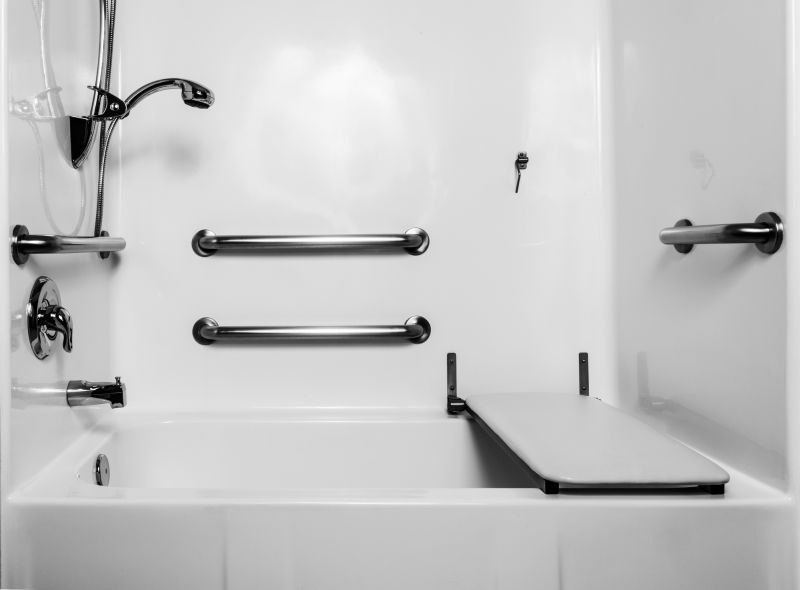
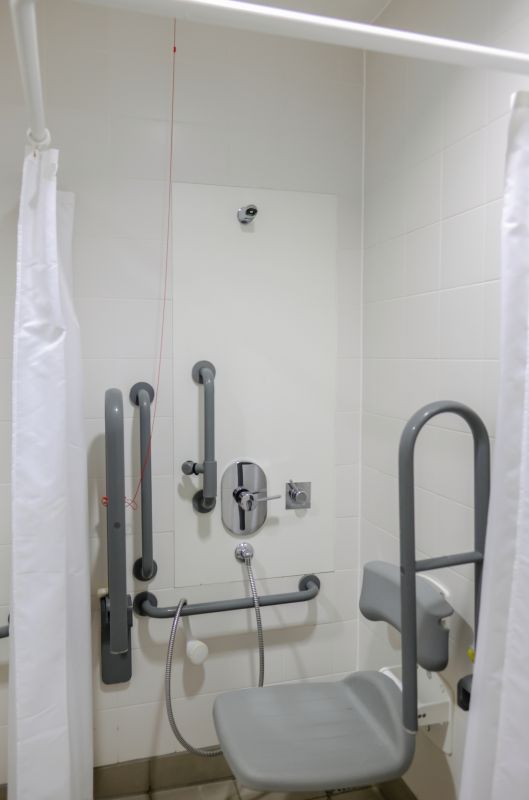
Disability shower installation services are often sought by property owners in Hudson County, NJ, who are making modifications to improve accessibility and safety in their bathrooms. These projects may arise from a need to accommodate mobility devices, such as wheelchairs or walkers, or to create a more user-friendly environment for individuals with limited mobility. Homeowners and property managers may pursue these installations to enhance independence and convenience for residents or visitors with special needs.
In addition, many property owners look for disability shower installation services when renovating older bathrooms or adapting rental units to meet accessibility standards. Simple modifications, like installing walk-in showers or low-threshold entries, can make a significant difference in usability. Local service providers can assist with these projects, ensuring that installations are tailored to specific needs and comply with relevant guidelines.
What are the benefits of installing a disability-friendly shower? A disability-friendly shower can enhance safety, accessibility, and independence for individuals with mobility challenges.
How do local service providers customize shower installations for specific needs? They assess individual requirements and adapt shower designs to accommodate mobility aids, seating, and other accessibility features.
What materials are commonly used in disability shower installations? Service providers often recommend non-slip flooring, waterproof panels, and durable fixtures suitable for accessible showers.
Is it possible to retrofit an existing shower for accessibility? Yes, many local pros offer retrofit options to modify existing showers to meet accessibility standards.
What should be considered when planning a disability shower installation? Factors include space layout, user mobility needs, safety features, and compatibility with existing bathroom structures.
Accessible Shower Installations - Local service providers can assist in designing and installing showers that accommodate mobility needs and accessibility requirements.
Barrier-Free Shower Solutions - Professionals offer options for barrier-free or curbless showers to enhance safety and ease of use for individuals with disabilities.
Custom Shower Modifications - Contractors can modify existing showers to include features such as grab bars, seating, and non-slip surfaces tailored to individual needs.
Universal Design Shower Services - Experienced pros can implement universal design principles to create inclusive shower spaces suitable for users of all ages and abilities.
Considering Disability Shower Installation for a property in Hudson County, NJ? The sections above highlight common project types, practical options, and details that often shape the scope of work.
When you are ready, use the quote form to share a few details about your project. Local pros can review the basics and respond with options that match what you have in mind.